Quality Window Repair: Essential for Home Maintenance and Energy Efficiency
Windows are not simply openings in a wall; they are crucial components that offer natural light, ventilation, and protection versus the components. Over time, nevertheless, windows can deteriorate due to wear and tear, climate condition, or absence of maintenance. When this occurs, it's vital to deal with the concerns without delay to ensure the ongoing performance and visual appeal of your home. Quality window repair is an essential element of home upkeep that can considerably affect energy performance, security, and overall convenience. This post looks into the value of quality window repair, typical problems, and the actions homeowners can take to ensure their windows are in leading condition.
The Importance of Quality Window Repair
Enhancing Energy Efficiency
One of the main advantages of quality window repair is the enhancement in energy performance. When local glass repair are in great condition, they help keep a constant indoor temperature by avoiding drafts and reducing the requirement for excessive heating or cooling. This can result in significant savings on energy costs and a more sustainable home environment. According to the U.S. Department of Energy, appropriately sealed and insulated windows can decrease energy costs by approximately 25%.
Improving Security
Windows are a typical entry point for burglars. Cracked glass, loose frames, or faulty locks can compromise the security of your home. Quality window repair involves addressing these concerns to ensure that your windows are safe and that your family is safe. Replacing damaged glass, tightening loose frames, and setting up robust locking mechanisms are essential steps in boosting home security.
Keeping Aesthetic Appeal
Looks play a substantial role in the value and livability of a home. Damaged or poorly preserved windows can diminish the general look of your property, making it look neglected and overlooked. Quality window repair can restore the beauty and beauty of your windows, adding to a more welcoming and pleasant living environment.
Extending Window Lifespan
Regular maintenance and timely repairs can extend the life expectancy of your windows, delaying the need for a complete replacement. This can be a cost-effective option, as window replacement can be pricey. By attending to minor problems early, you can avoid them from escalating into major issues that need a more substantial financial investment.
Common Window Issues
Split or Broken Glass
One of the most typical issues house owners deal with is cracked or broken glass. This can take place due to unintentional damage, severe weather, or aging. Broken glass not just compromises security however likewise allows cold air to go into and warm air to get away, affecting energy effectiveness.
Dripping Frames
Leaking window frames are another regular problem. Over time, the seal between the window frame and the wall can break down, causing water infiltration and drafts. Leaks can cause water damage to the surrounding walls and floors, and they can also promote the development of mold and mildew.
Sticking or Malfunctioning Windows
Sticking or malfunctioning windows are annoying and can be a security risk. This concern frequently develops from worn-out or broken parts, such as hinges, sashes, or tracks. Sticking windows can also suggest issues with the window frame, such as warping or growth due to temperature changes.
Drafty Windows
Drafty windows are a sign of poor insulation and can cause unpleasant living conditions. Drafts take place when there are gaps or fractures in the window frame or when the weatherstripping is broken. Sealing these spaces can significantly improve the energy effectiveness of your home.
Peeling Paint or Rotting Wood
For homes with wooden windows, peeling paint or rotting wood can be a severe concern. Wood is susceptible to wetness damage, which can cause decaying and structural weak point. Regular painting and sealing can avoid these problems and extend the life of wooden windows.
Foggy or Cloudy Insulated Glass
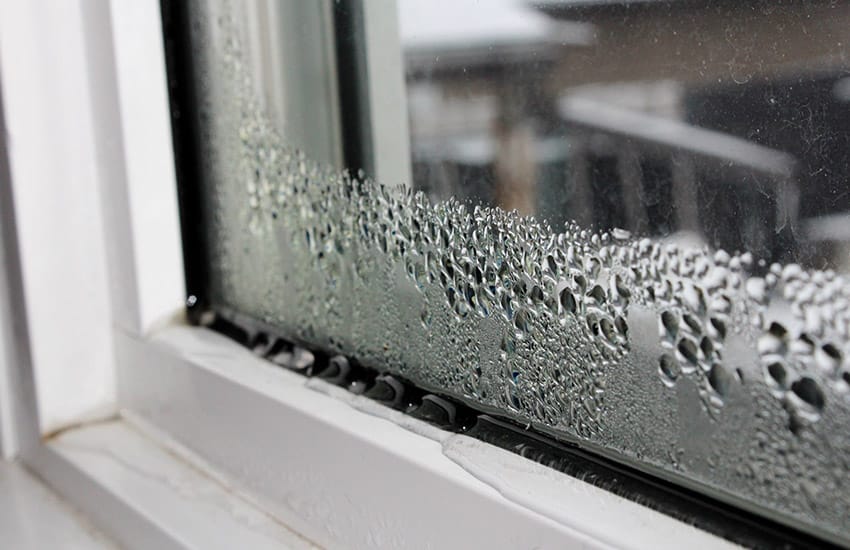
Foggy or cloudy insulated glass is a sign that the seal between the panes has stopped working. This can occur due to age or damage, and it affects the window's ability to insulate. Foggy glass is not only unsightly however also reduces exposure and energy performance.
Steps for Quality Window Repair
Examine the Damage
Before beginning any repair, it's vital to evaluate the level of the damage. This includes recognizing the type of window (e.g., single-pane, double-pane, wooden, vinyl) and the specific concerns (e.g., cracked glass, leaky frame, sticking sash). A thorough assessment will assist you figure out the best strategy and the products needed for the repair.
Gather the Necessary Tools and Materials
Quality window repair requires the right tools and materials. Depending upon the issue, you may require:
- Glass cutter and replacement glass for split or broken glass.
- Caulk and sealant for sealing gaps and leakages.
- Weatherstripping to improve insulation and prevent drafts.
- Screwdrivers and replacement hardware for stuck or malfunctioning windows.
- Sandpaper and primer for peeling paint or decaying wood.
- Dehumidifier and silica gel packets for foggy or cloudy insulated glass.
Repairing Cracked or Broken Glass
- Eliminate the broken glass: Carefully remove the damaged glass using a glass suction cup or pliers. Ensure you wear protective gloves and goggles to avoid injury.
- Step the opening: Measure the measurements of the opening to guarantee the replacement glass fits completely.
- Install the new glass: Cut the replacement glass to size using a glass cutter. Apply a thin layer of glazing compound around the edges of the opening, and thoroughly position the brand-new glass in the frame.
- Secure the glass: Use glazing indicate secure the glass in place. Apply another layer of glazing substance over the points and smooth it with a glazing tool. Enable the compound to dry before painting.
Sealing Leaky Frames
- Clean the area: Remove any old caulk or sealant from the window frame and the surrounding area. Tidy the surface areas with a degreaser to make sure a strong bond.
- Apply caulk: Use a top quality, weather-resistant caulk to seal any spaces or cracks. Use the caulk in a smooth, continuous bead and press it into the gaps to ensure a tight seal.
- Smooth and finish: Smooth the caulk with a caulk finishing tool or a moist finger. Permit it to dry entirely before painting.
Repairing Sticking or Malfunctioning Windows
- Oil the components: Apply a silicone-based lubricant to the hinges, sashes, and tracks to lower friction and enhance motion.
- Adjust the sash: If the window is sticking, you may need to adjust the sash. This can be done by loosening or tightening up the screws that hold the sash in place.
- Replace hardware: If the lube and modifications don't deal with the issue, it might be needed to replace worn-out or broken hardware. This consists of hinges, locks, and rollers.
Addressing Drafty Windows
- Check the weatherstripping: Inspect the weatherstripping around the window frame and sash. If it is used out or harmed, it must be replaced.
- Install new weatherstripping: Choose the suitable type of weatherstripping for your window (e.g., foam tape, V-strip, felt). Procedure and cut the weatherstripping to fit, and install it according to the producer's guidelines.
- Seal gaps: Use caulk or expanding foam to seal any spaces between the window frame and the wall. This will help avoid air leaks and enhance energy effectiveness.
Repairing Peeling Paint or Rotting Wood
- Remove old paint: Use a paint scraper or sandpaper to remove peeling paint from the window frame. Sand the surface to produce a smooth, even end up.
- Deal with rot: If there is any rot, utilize a wood hardener to stabilize the impacted locations. Eliminate any loose or decayed wood and fill the spaces with wood filler.
- Prime and paint: Apply a high-quality guide to the dealt with locations, followed by a durable exterior paint. This will protect the wood from moisture and avoid additional deterioration.
Dealing with Foggy or Cloudy Insulated Glass
- Identify the cause: Determine whether the foggy glass is triggered by a stopped working seal or condensation inside the window. If the seal is undamaged but the glass is still foggy, it may be because of condensation.
- Replace the glass: If the seal has failed, the finest solution is to replace the insulated glass unit (IGU). This can be done by a professional window repair service or by carefully getting rid of and replacing the IGU yourself.
- Utilize a dehumidifier: If the concern is condensation, use a dehumidifier to reduce humidity levels in the room. You can also place silica gel packets inside the window frame to absorb wetness.
When to Call a Professional
While many window repairs can be managed by property owners, there are circumstances where expert assistance is needed:
- Complex repairs: If the repair includes elaborate elements or specialized skills, it's finest to call a professional. This consists of replacing IGUs or dealing with substantial wood rot.
- Security issues: Working with glass or heavy window components can be harmful. If you're not comfortable with the task, it's safer to employ a professional.
- Guarantee concerns: If your windows are still under guarantee, attempting to repair them yourself might void the warranty. In this case, call the manufacturer or a certified expert.
FAQs
How typically should windows be inspected for maintenance?
Property owners ought to inspect their windows a minimum of twice a year, usually in the spring and fall. This allows you to capture and attend to concerns before they become more major.
Can I repair foggy double-pane windows myself?
While you can try to remove condensation, the best service is typically to replace the insulated glass unit (IGU). This can be an intricate task and is frequently best delegated experts.
What products are best for weatherstripping?
Foam tape, V-strip, and felt are popular choices for weatherstripping. Foam tape is easy to install and provides good insulation, while V-strip is more durable and appropriate for high-use windows. Felt is a low-cost choice that works well for short-lived repairs.
How can I prevent wood windows from decaying?
Regular painting and sealing can avoid wood windows from decomposing. It's also crucial to address any water damage quickly and to guarantee appropriate drainage around the window.
Is it cheaper to repair or replace a window?
The expense of repair versus replacement depends on the extent of the damage. Small problems like stuck windows or peeling paint can be solved with repairs, which are typically more affordable. Nevertheless, if the damage is extensive or the window is old, replacement might be the much better option.
How can I test if my windows are dripping air?
You can use a smoke stick or a lit candle to test for air leaks. Move the smoke or flame around the window frame. If the smoke or flame relocations, it indicates an air leak.
Quality window repair is a crucial element of home maintenance that can enhance energy effectiveness, enhance security, and keep the visual appeal of your home. By attending to common problems like cracked glass, dripping frames, and drafty windows, property owners can guarantee their windows continue to work successfully and stay an important possession to their home. Whether you take on the repairs yourself or work with an expert, routine upkeep and timely repairs are essential for the longevity and efficiency of your windows.
Extra Resources
- DIY Window Repair Kits: Many hardware stores provide DIY window repair packages that include the tools and materials required for common repairs.
- Energy Efficiency Tips: The U.S. Department of Energy supplies resources on enhancing window energy performance.
- Specialist Window Repair Services: Search for licensed window repair professionals in your area to guarantee top quality service and craftsmanship.
By taking the time to understand and address window problems, property owners can take pleasure in a more comfy, safe, and energy-efficient home.